











Most Aussie punters sitting down for a live blackjack session reckon the biggest mistake is chasing losses instead of pacing the spend. I’ve built slot and table games for years, and the same maths that governs a pokies cabinet applies here: variance is the boss, and your hourly burn rate decides whether you walk away for a coffee or chase the arvo light. The trick isn’t finding a magic system, it’s treating your money like a design parameter with a hard ceiling. Below I’ll walk through how to size a session, read the table conditions, and keep the pace steady so the entertainment lasts longer than a single bad run.
Sizing your hourly burn rate before you sit
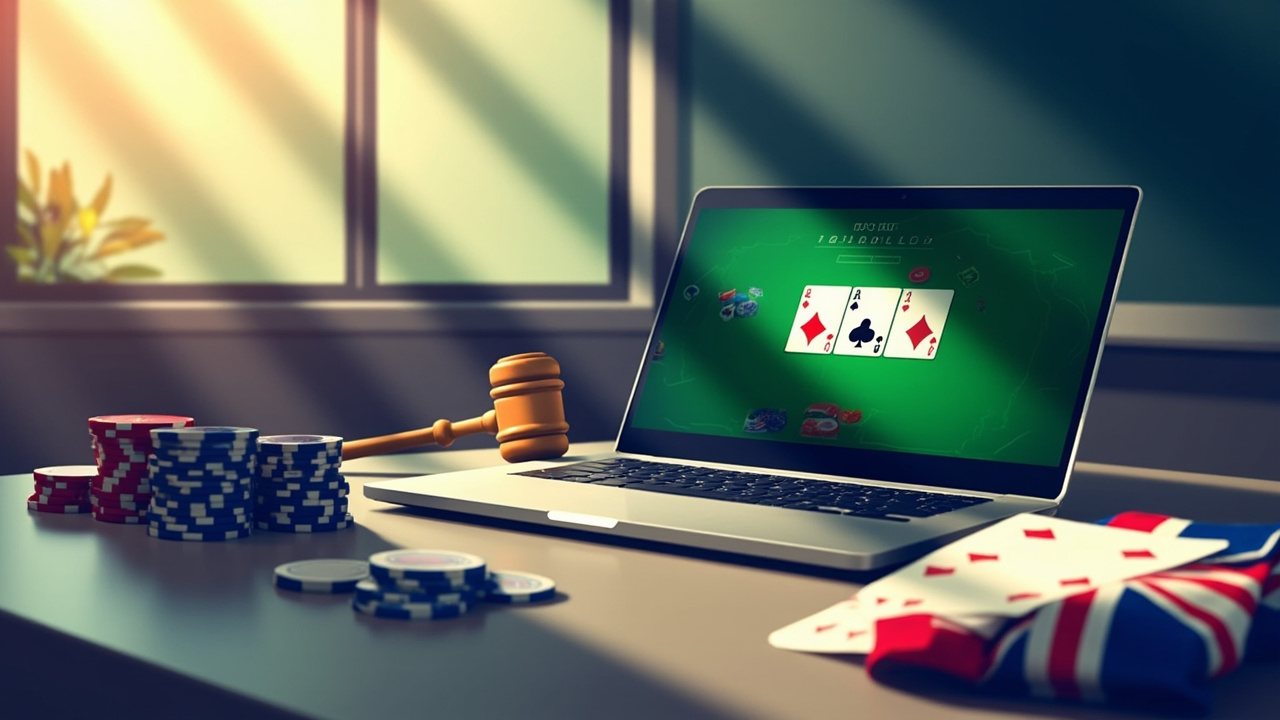
The first call is how much you’re willing to spend per hour, not per hand. Live blackjack moves at roughly 60 to 80 rounds an hour depending on the dealer pace and table occupancy, and your average bet multiplied by that throughput gives you a rough hourly exposure. If you’re sitting at a $10 base table and playing three hands on splits, you’re easily pushing past $30 an hour in action before the house edge touches the result. I always tell clients to treat that number like a volatility floor in a new game build: set it, test it, and don’t let a hot streak rewrite the budget mid-session.
A practical starting point is to cap your total session stake at a multiple of the hourly burn, then break it into units that survive normal variance. If you want to play for two hours and your target is $25 an hour, you’re looking at a $50 session bankroll with a $5 to $10 base bet and a stop-loss that you actually respect. The same discipline shows up in slot design: you don’t tune a bonus round to pay out every spin, because that just burns the player’s balance faster and kills retention. Here, the edge is small but constant, so pacing beats prediction every time.
Once you have locked in those boundaries, treat the time as a fixed cost rather than chasing losses when variance turns cold. Consistency matters more than hitting a big win, so you might find that playing a title like wolf gold slot helps maintain discipline when the cards don’t fall your way. For more insights on managing your bankroll effectively, you can explore additional resources at https://wolf-gold-au.net/. Yamatix
For a quick comparison, here’s how base bet and table pace translate to rough hourly action:
| Base bet | Rounds per hour | Approx. hourly action | Typical session stake (2 hrs) |
|---|---|---|---|
| $5 | 70 | $350 | $70-$105 |
| $10 | 70 | $700 | $140-$210 |
| $25 | 60 | $1,500 | $300-$450 |
Those figures are action, not loss, and the real cost depends on your decisions at the table. Basic strategy keeps the edge near its lowest, but even a tidy player will see swings that feel brutal over a single arvo. The point of the table isn’t to promise a result, it’s to make the hourly number visible before you click deposit.
Reading the table and keeping the pace honest
Dealer speed, seat count, and where the edge actually sits
Table conditions change the hourly maths more than most players admit. A busy Gold Coast venue or a crowded live stream with seven seats filled will slow the round count, which lowers your hourly action but also stretches the session and tests your patience. Fewer seats means faster rounds, which ramps the burn rate and gives variance less time to settle. I’ve watched the same logic play out in cabinet tuning: when you speed up the base cycle, you increase throughput but you also compress the player’s exposure to downswings, so the experience feels more intense and less forgiving.
The blackjack edge itself sits around 0.5% to 1% against a basic-strategy player, depending on rules like dealer hits or stands on soft 17, doubling limits, and surrender. That’s a small number, which is exactly why bet-scaling systems get so much attention and so little results. Anti-Martingale, where you increase bets after wins, doesn’t beat the edge either, because the house advantage still applies to every hand regardless of whether the previous one paid. What it does is reshape the ride: you get sharper peaks and deeper troughs, and the hourly burn becomes less predictable. If your goal is a steady session you can actually budget, flat or near-flat betting keeps the hourly number honest.
When bonus mechanics and payment timing change the picture
The other variable is how the platform handles your money before, during, and after the session. Signup, eligibility checks, verification, and first-deposit activation all sit upstream of the first hand, and any delay there changes how you think about the hourly budget. If a bonus activates with wagering conditions or table restrictions, the real cost per hour can drift because you’re playing toward a target rather than just pacing a stake. I’ve seen the same thing in bonus design on the slots side: when the trigger conditions are opaque, players overrun their intended session because they’re chasing a requirement instead of playing the game.
Payment timing matters too. Fast deposit and withdrawal flows keep the bankroll visible and the session bounded, while slow processing hides the true hourly burn behind pending balances. Currency handling should be straightforward, and the interface should show your running action clearly so you can stop at the number you set, not the number you wish you’d set. If you want a broader look at how to assess table conditions and game conditions before you commit, this related piece on evaluating live casino tables and conditions walks through what to check before you sit.
Matching the hourly plan to how you actually play
The right hourly plan depends on what you want from the session. If you’re after a calm, two-hour sit with a clear stop-loss, a lower base bet and a full session bankroll give you room for normal variance without panicking. If you prefer shorter, sharper sessions with tighter control, a higher base bet and a smaller bankroll keep the pace brisk but leave less cushion for a bad run. Either way, the budget should be set before you register, verified, and fund the account, because once the first hand is dealt, decisions get emotional and the original number gets fuzzy.
Mobile play doesn’t change the maths, but it does change the environment. Playing on a phone in a busy Gold Coast café or on the couch at home means different distractions, and the hourly burn can creep up when you’re not watching the clock. A clean interface, visible round count, and a hard stop-loss reminder help keep the session aligned with the plan. Support and loyalty features should be there for account questions and ongoing access, not as a reason to extend a session past its limit.
Final verdict
Live blackjack bankroll per hour works best when you treat it as a fixed design parameter, not a target to optimise away. Set the hourly burn from base bet and table pace, cap the session stake, and play basic strategy without chasing the edge with bet scaling. If you want steady entertainment with a clear exit, the lower-base, two-hour model fits; if you want a sharper, shorter sit, tighten the bankroll and watch the clock. Either way, the session stays fun when the budget is set before the first hand and respected after the last one.